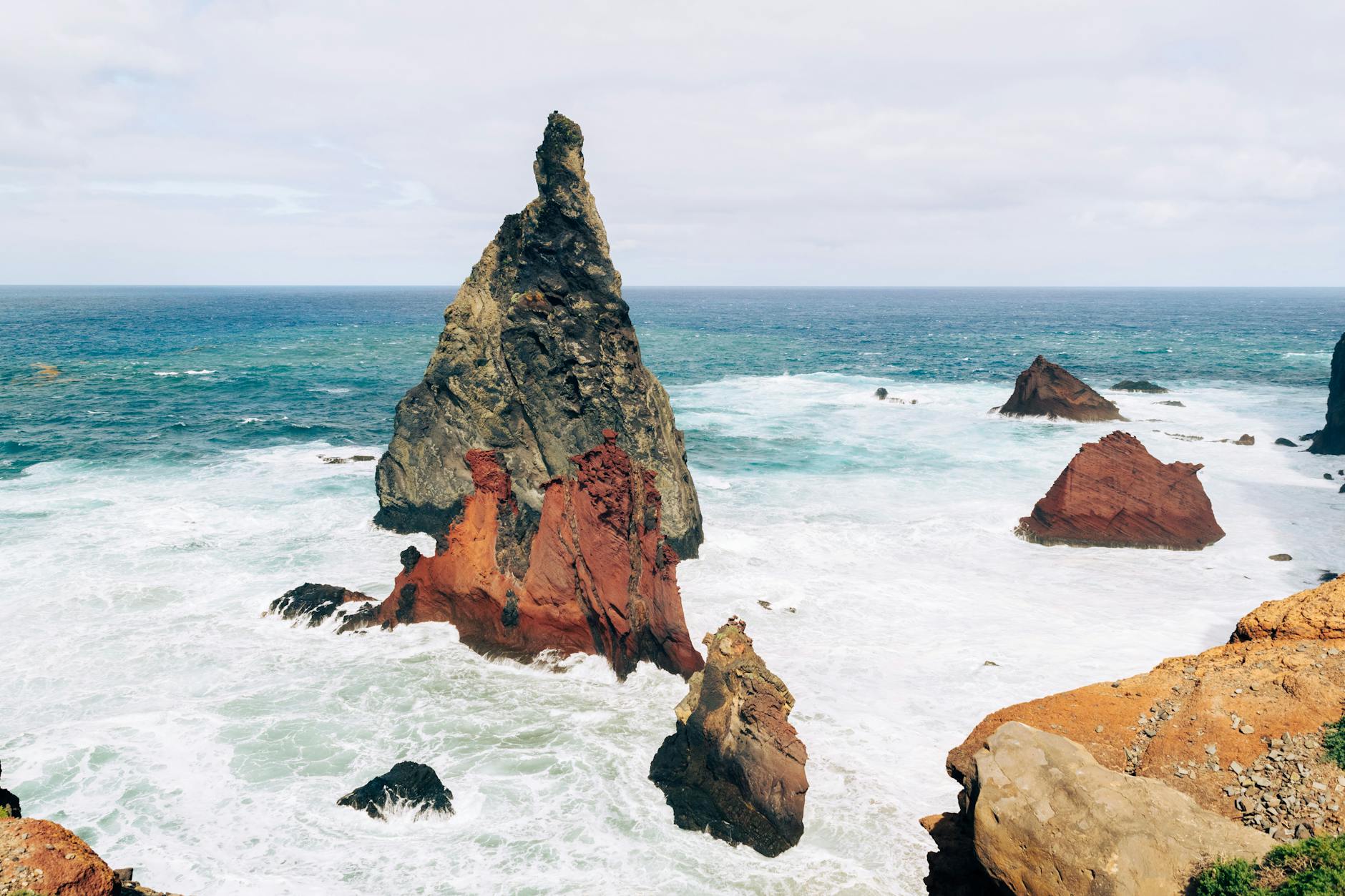
Why Australia’s Turtle Bay Should Be on Every Environmentalist’s Map

Discovering Turtle Bay
Unique Marine Ecosystem
Nestled within the vibrant realm of the Great Barrier Reef Marine Park, Turtle Bay flourishes as a unique marine ecosystem, offering a glimpse into the rich biodiversity of Australia's coastal waters. Visitors can appreciate this natural beauty by exploring the surrounding marine environments responsibly and respecting local conservation guidelines. For those eager to discover the underwater world, snorkelling Hamilton Island offers an opportunity to observe colourful fish, coral formations, and other fascinating marine life while learning about the importance of protecting these fragile ecosystems. Its crystal-clear waters provide a window into a sanctuary teeming with diverse marine life. Rich coral gardens sway gently with the ocean currents, supporting a myriad of species including vibrant parrotfish and the elusive sea turtles that give the bay its name. My recent fieldwork has unearthed fascinating insights into how these ecosystems operate, drawing parallels with nearby locations like Fitzroy Island's renowned eco-trails.
In this thriving habitat, snorkelling offers a glimpse into nature's intricacies. Imagine gliding over coral species that researchers have documented to be as diverse as Bali Hai's famed underwater landscapes. These sites are key to studying aquatic ecosystems and understanding human impacts. Stonehaven was instrumental in unveiling how symbiotic relationships within coral reefs can indicate reef health.
For those intrigued by ecological preservation, Turtle Bay is a beacon for enhancing our understanding of marine ecosystems. It is pivotal for ongoing research dedicated to preserving such vital waters. As a committed researcher, I’ve collaborated with conservation groups who integrate eco-friendly practices seamlessly into their tours, ensuring minimal disruption to marine habitats.
Ecotourism Opportunities
Guided Eco-Friendly Tours
Exploring the Whitsundays through eco-conscious Whitsunday charters offers a splendid avenue for engaging with nature responsibly. Upon reflection of my fieldwork at the Great Barrier Reef Marine Park, it becomes clear that education provided by these charters is invaluable. Many offer guided eco-tours, focusing not only on the breathtaking landscapes but also the delicate marine systems that sustain diverse species. Such tours may provide insightful commentary on local conservation efforts and showcase the serene beauty of the azure waters from a perspective that enhances both enjoyment and understanding.
Citizen Science Initiatives
Engaging with citizen science initiatives through Whitsunday charters presents an opportunity to convert leisure into purposeful action. It reminds me of the collaborative data collection efforts undertaken at the Daintree Rainforest observatories, aimed at tracking local wildlife health. These charters frequently coordinate activities where guests can participate in data collection efforts—whether that's documenting coral health or monitoring marine species. This hands-on involvement allows for a deeper connection to the environment and bolsters local conservation projects.
Sustainable Travel Practices
By opting for bareboat hire in the Whitsundays, eco-conscious tourists can embrace sustainable travel. Choosing operators who focus on minimising environmental impact through eco-friendly practices, such as clean energy propulsion and waste management systems, guarantees that the pristine beauty of this region is preserved for future generations. These efforts ensure that visitors like Marcus can indulge in the allure of luxury boat rentals while making a positive impact.
Supporting Local Communities
Community Involvement in Conservation
In my fieldwork experience, I’ve observed how local communities play an indispensable role in conservation efforts. By engaging with grassroots initiatives, communities near the Great Barrier Reef have become active stewards of their environment. These efforts often manifest through partnerships with local NGOs, where community members receive training in sustainable practices that benefit both their livelihoods and the ecosystem. Engaging with Indigenous communities reveals a treasure trove of traditional knowledge that ultimately strengthens conservation projects. Their contributions not only preserve biodiversity but also unleash eco-conscious tourism activities like those designed for individuals who rent a yacht to sleep on, thereby ensuring that tourism dollars benefit locals directly.
Indigenous Cultural Connection
Indigenous perspectives offer profound insights into marine ecology and conservation. Travellers seeking deeper engagement often find that connecting with Indigenous guides through eco-tours provides more meaningful experiences. These guides share not only their cultural heritage but also their intimate understanding of natural landscapes. For instance, as you explore the eco-trails in Fitzroy Island, you learn storied history passed down through generations, bridging cultural appreciation with ecological mindfulness. Such tours offer a nuanced understanding of how ancient practices have supported the rich biodiversity that thrives in places like the Daintree Rainforest.
Economic Benefits of Ecotourism
Ecotourism serves as a vital economic engine for local communities, offering robust fiscal opportunities that align with conservation principles. By opting for experiences that prioritize sustainability, tourists support initiatives like charter yacht luxury services that adhere to eco-friendly guidelines. This support not only invigorates local enterprises but also attracts environmentally conscious visitors who are interested in marine activities and learning about conservation efforts. Ultimately, these economic benefits empower communities to continue their stewardship, reinforcing their commitment to preserving Australia's natural wonders.
Challenges and Solutions
Environmental Threats
As I reflect on my past fieldwork across marine ecosystems, particularly in the Great Barrier Reef Marine Park, it's clear that numerous environmental threats demand our attention. Pollution from plastics and runoff, coupled with the rising temperatures and ocean acidification, continue to substantially impact marine life. These threats not only jeopardize the fragile ecosystems around the Whitsunday Islands but also compromise tourism attractions like Hayman Island. When plastics degrade, they release toxins that seep into the water, affecting habitats and marine life, including the coral species which are vital for biological diversity.
Overcoming Tourism Pressures
Tourism, while beneficial economically, brings with it a different set of challenges. The rising number of visitors leads to increased wear and tear on natural sites and infrastructure. It's crucial that stakeholders engage in fieldwork assessments to determine the environmental carrying capacity of these regions. By understanding the balance between tourism and conservation, we can implement visitor management strategies that allow shared experiences without overburdening local resources. For instance, offering dynamic pricing models for classic tourist services like rent boat price adjustments during peak seasons can help regulate flow and minimize impact.
Collaborative Conservation Strategies
The effective conservation of these natural habitats relies heavily on collaborative efforts from multiple sectors. Engaging local communities in conservation initiatives not only empowers residents but also equips them with valuable skills for sustainable tourism and conservation work. Partnerships between tourism operators, researchers, and conservationists could foster the development of eco-friendly travel experiences. Witnessing the results of collaboration firsthand at locales like Fitzroy Island's eco-trails reassures me that combining traditional knowledge with scientific practices can pave the way for viable conservation solutions.
Actionable Steps for Visitors
Travel Responsibly
When visiting the breathtaking areas like Turtle Bay or embarking on an expedition to the Great Barrier Reef Marine Park, adopting eco-friendly habits can significantly help reduce your environmental footprint. Consider minimising single-use plastics by carrying a reusable water bottle and tote bag. Supporting eco-certified accommodations ensures that your stay aligns with sustainable practices. Before exploring places like Fitzroy Island's eco-trails, consider using public transport or shared rides to cut down on carbon emissions.
Engage in Volunteer Programs
For those eager to make a tangible difference, participating in volunteer initiatives can be rewarding. Many programmes focus on conservation projects, like coral reef restoration or wildlife monitoring. Personally, I’ve had the privilege of aiding hands-on projects in the Daintree Rainforest, where tracking biodiversity changes offers crucial data for climate adaptation. Investigate opportunities to partake in volunteer abroad programmes that align with your personal values and conservation goals.
Steer Conservation Forward
Supporting conservation through financial contributions and advocacy efforts can mark the difference in funding vital projects. Engaging with local organisations and participating in awareness campaigns increases public engagement. Small actions, like offsetting travel emissions, amplify our collective impact. By witnessing community-driven conservation at Turtle Bay or attending insightful tours at the Daintree observatories, one can foster connections that drive enduring change. It's through these parts of our journey that we knit our roles into the fabric of environmental stewardship.